

What's Happening in Copenhagen? - And why are they becoming a new fashion capital?
- Riley Peterson

- Nov 11, 2022
- 3 min read
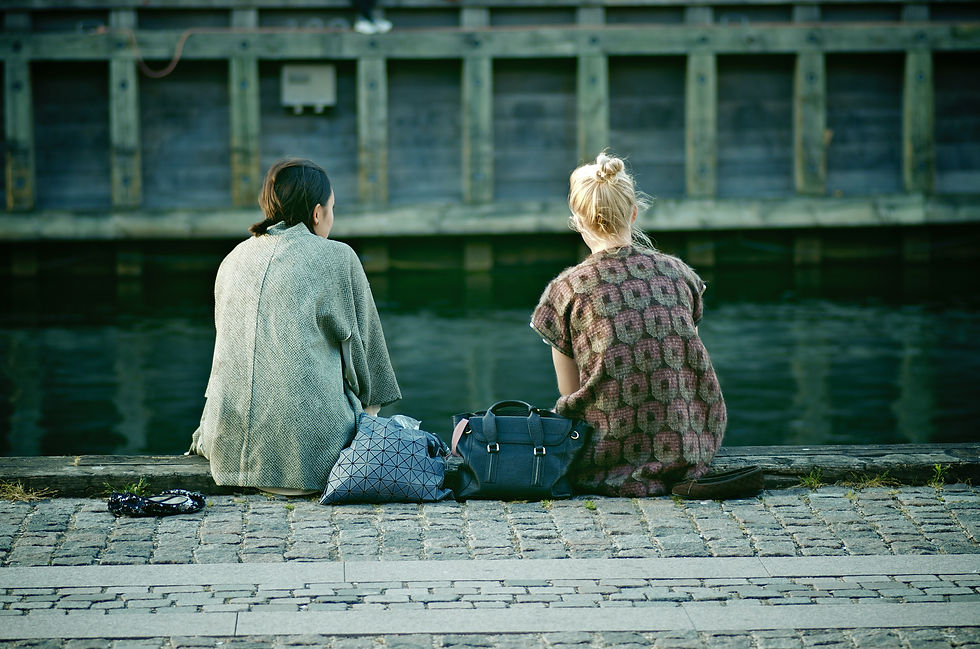
Photo by Nicolas Delafraye
Copenhagen, a city known for its canals, bikes, and the happiest people in the world. So what has changed within the last few years that has giving the city a stronger reputation in the world of fashion?
Danish Brands
GANNI
Ganni was founded in 2000 by Fran Truelsen originally as a cashmere brand and gained popularity in 2010 after husband and wife pair Nicolaj and Ditte Reffstrup took over. This contemporary ready-to-wear brand is best known for its quirky patterns and bold colors.
Scandinavian simplicity is the main point SAMSØE SAMSØE wants to make. They focus on Nordic lifestyles while keeping in mind Scandinavian heritage creating lasting styles. The brand started off as a jewelry shop in 1993. Peter Sextus and Per-Ulrik Andersen took over the brand in 2000 to create an international fashion house to focus on contemporary clothing, shoes, and accessories for both men and women.
CECILIE BAHNSEN
This brand infuses Danish heritage into current modern clothing and accessories, with a twist of French styles. Cecilie loves using traditional textiles and processes. The brand fluctuates between couture and ready to wear.
Copenhagen Fashion Week is relatively new, first dating back to 2006. In 2017, Copenhagen Fashion Week went through a strategic change with new key stakeholders in the fashion industry. The strategy was to strengthen Copenhagen as the capital of Scandinavian fashion and to establish Copenhagen Fashion Week as the leading fashion week in Scandinavia. In 2019, Copenhagen Fashion Week became the only fashion week in Scandinavia. The Fashion Week is biannually showcasing in August and January/February. The next Week of Shows will be January 31st - February 3rd, 2023 with over 35 shows including GANNI and SAMSØE SAMSØE.

Photo by Eliza Alves
Sustainability
Scandinavia is known for its development in sustainable practices. Copenhagen fashion has become increasing sustainable with their materials, dying processes, and working conditions. Copenhagen Fashion Week even requires brands to meet minimum sustainability standards. These new requirements set 17 standards that brands have to meet by 2023 in order to qualify to to have a show in the fashion week. They will disqualified if they destroy unsold clothes or don't have 50 percent of their garments made with sustainable materials. Copenhagen's growing consumer demand for ethical and responsible clothing fuels this change.
Influencers
The Fashion Industry has changes drastically with the help of Social Media. Fashion influencers can connect their followers with the runway in ways that past types of advertisements couldn't before. It also positions brands to become more relatable and obtainable to audiences it's never had before. Some Danish Fashion influencers to look out for are...
Pernille Teisbaek - @pernilleteisbaek
Pernille is known for her classy scadi style. She has over 1.4 million instagram followers.
Simone wear fun colorful knitwear as well has partnered with Danish brand Joanna Jablko, to create beautiful jewelry pieces. She has 73.8K instagram followers.
JOSEFINE H. J - @josefinehj
This Danish native has a mature sense of style. She sticks to the classic European neutral tones. Josefine has 1.2 million instagram followers.
Visiting Copenhagen
Copenhagen is definitely worth a visit! The colorful buildings, canal, and green parks bring out the beauty of the city. As well as the delicious foods, and cozy cafes. Some places that you should visit include
This is a must see for fashion and design lovers. Step inside the newly renovated museum building, and experience eight new exhibitions about design then, now and in the future. The gift shop is full of posters, prints, and other homeware items.
STATEN MUSEUM FOR KUNST
This museum is a great opportunity to immerse yourself in Scandinavian art and culture. You can find pieces by French master painter Henri Matisse, Danish artists from the former Yugoslavia, and European Art 1300-1800.
This small museum has a lot of offer. It contains great insight of the social history of workers in Denmark, and their past political struggle of the labor movement. Their vision is "The Workers' Museum strengthens the will for an equal and just society through engaging encounters with history".


Comments